

Next Day Turf Delivery


Turf

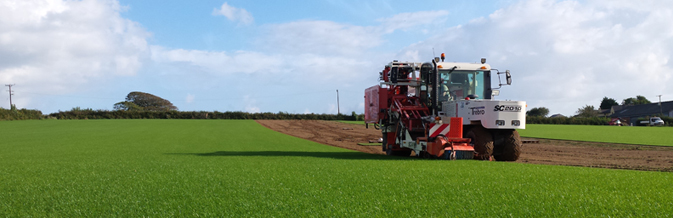
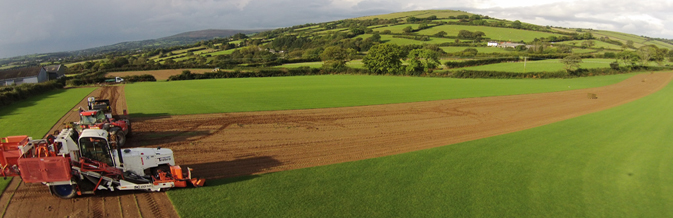
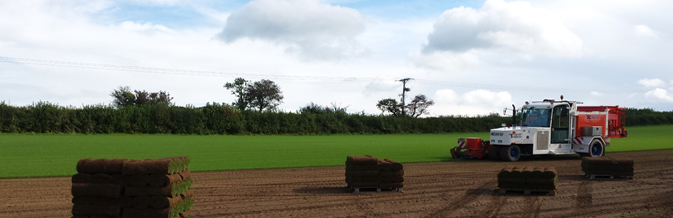
Turf Lawns are suppliers of premium lawn turf. We supply turf nationwide and offer a next day turf delivery service. The Turf is grown in our 500,000 square meter turf nursery and is nurtured from seed to turf over an 18 month period. The turf is weed free and comes ready fertilised.

Turf Suppliers

Turf Suppliers offering next day delivery to you.

Turf Suppliers that you can rely on.

How to create a beautiful lawn with turf or seed.

Turf is perfect for creating a high quality lawn, established in just a few weeks with a dense, weed free coverage. When starting your project, you have the option of seeding the area and for some gardens, mainly large areas, seed can be a great way to create the lawn in a cost efective way.

Seeding:

if your lawn is less than 300 square Meters, it will not be viable to seed your lawn. Although seed is relatively cheap, the cost of treatments, fertilizer and the time and effort involved will equate to more than the cost of turfing, will take over a year to reach a respectable standard and is unlikely to ever reach the same quality as a well grown amenity turf.

For areas over 300 square meters, it could be worth seeding your garden. Seeding is very hard to get right and turf growers invest tens of thousands of pounds in research and innovative products and machinery to help them with the germination of the seed, reducing weed and weed grass competition, increasing growth and root strength without comprimising the ratio of grasses in the seed mix.

The first thing to do when seeding an area is to create a perfect seed bed. You will need to turn the top 2-4 inches of soil, removing all the debris in the soil and ensuring the soil is broken down to a fine even tilth.

Once the soil has been broken to a fine tilth, you will need to level the soil, but maintain a loose tilth on the surface. The best way to do this is with a stone burrier which can be hired.

Now the seed bed is prepared, you can choose the correct seed for your lawn. A ryegrass/fescue mix is best for most lawns and the addition of smooth stalk meadow grass can improve the drought tollerence and post winter recovery. The proportion of ryegrass will depend on the type of soil. We recommend 20% ryegrass in heavy soils and 30% rygrass in light soils. A combination of Slender Creeping Red fescue, strong Creeping red Fescue and chewings fescue should make up the remainder of the seed mix. The addition of 20% Smoothstalk meadow grass could replace part of the strong or chewings fescue.

Once you have bought your seed, you must ensure that the soil temperature is 10 degrees celcius or above and not due to drop in coming weeks. The best way to sow the seed is by using a seed drill but for those planning to do it by hand, you must ensure a good even covering of the seed over the soil. You may want to lightly rake the seed in before rolling the ground with a garden roller. Fertilizer can be added at the same time as seeding to give the soil a good nutrient level, essential for good germination.

Now the seed is sown, you will need to ensure you maintain a good nutrient level within the soil. An NPK fertilizer will contain the vital ingredients for growth but there are plenty more products available containing other important ingredients.

Once the grass is to a reasonable density and height, you can start to mow with a rotary mower on a medium to high setting but other than mowing, you must stay off the area for some months after seeding. once the grass is covering all of the soil, roll the area again before mowing with a cylinder mower to encourage density. Remember to keep feeding the lawn as required.

Weed killing is very important and should be done as soon as the grass is reasonably established. Use a selective weed killer on a 2/3 dose innitialy and then a second treatment can be done with a full dose a few months later.

Other treatments that you will have to do will be treating for pests such as leather jackets or chaffer grubs which can eat the roots of your grass. You must also spray for lawn diseases such as red thread and fusarium. Treatments are often expensive but an essential part of creating a healthy lawn. (Seek advice before using any treatments as some chemicals must be legaly applied by a qualified proffessional)

When seeding in Spring, you have more time to get the lawn established and healthy but you will have to wait for soil temperatures to rise and this may lead to a dry period. If this does happen, you will have to irrigate. Seeding in late August can be far better for quick germination but you will need to keep to the maintanance plan to the letter or you may not get the grass dense enough before the growing stops in winter.

You may think that you can chuck some seed down and have a wonderful lawn within a few months but be warned, there is plenty of hard work and expensive machinery and treatments involved. It is essential to get good germination and a dense coverage quickly or your grass will be infested with weeds or even worse, weed grasses such as annual meadow grass. Annual meadow grass grows naturaly and dominantly in the northern hemisphere and there are no easy solutions to get rid of it.

Turf

Turfing is far easier than seeding but there are still some important steps you will need to follow.

To start with you will need to prepare the ground in much the same way as you have to for seeding, removing all debris, turning over the soil untill it reaches a fine tilth and then rake the area level. The main difference when preparing for turf is that you must make sure the area is firm. Do not use a plate compactor or big roller. Rake as level as you can and then Tread the ground in with your feet or you can use a turf tamp but this is a wasted expense. Once you have treaded the soil in, you will need to rake the area again. You must use a landscapers rake or even a straight edge to get your level but you can use a small metal rake to scratch any hard lumps up.

Make sure the soil is raked flush with any patio or path so that when the turf is laid, it will sit fractionaly above the path/patio so that you can mow all the way to the edge with out damaging your mower.

Now your ground is prepared, you can start to lay the turf. Lay the 1st row of turf along the longest straight edge or in a straight line through the middle of the garden. Lay planks or boards on the row of turf that you have just laid and then walk on these planks to lay the next row.

There should be no gaps between the the turf!!! Butt each turf together carefully, ensuring that they are not overlapping. Stagger the rows by cutting a turf in half with a sharp knife. This will give you a brickwork look. Make all cuts around the edges with a sharp knife and do not try to stretch the turf to fit. If the turf comes up a fraction short of the edge of the garden, you can move the last row to the edge and then add a slither of turf between the last row and the second to last row. If you put the slither on the edge of the lawn, it may seperate or just dry out and die.

Water your turf immediately and then continue to water 1st thing in the morning and again at the end of the afternoon for 2 weeks. EVERY TURF must be kept moist at all times for 2 weeks.

Mow the grass after 2 weeks with your mower on it's highest setting. Return a few days later and mow again with the mower on a slightly lower setting. You can repeat this process but do not mow the lawn to short. Short cut sports surfaces are kept in good order by proffesional groundsmen and require full time attention. Once the lawn is back to a good height, mow regularly and remember to fertilize 2-3 times per year.